
TL;DR
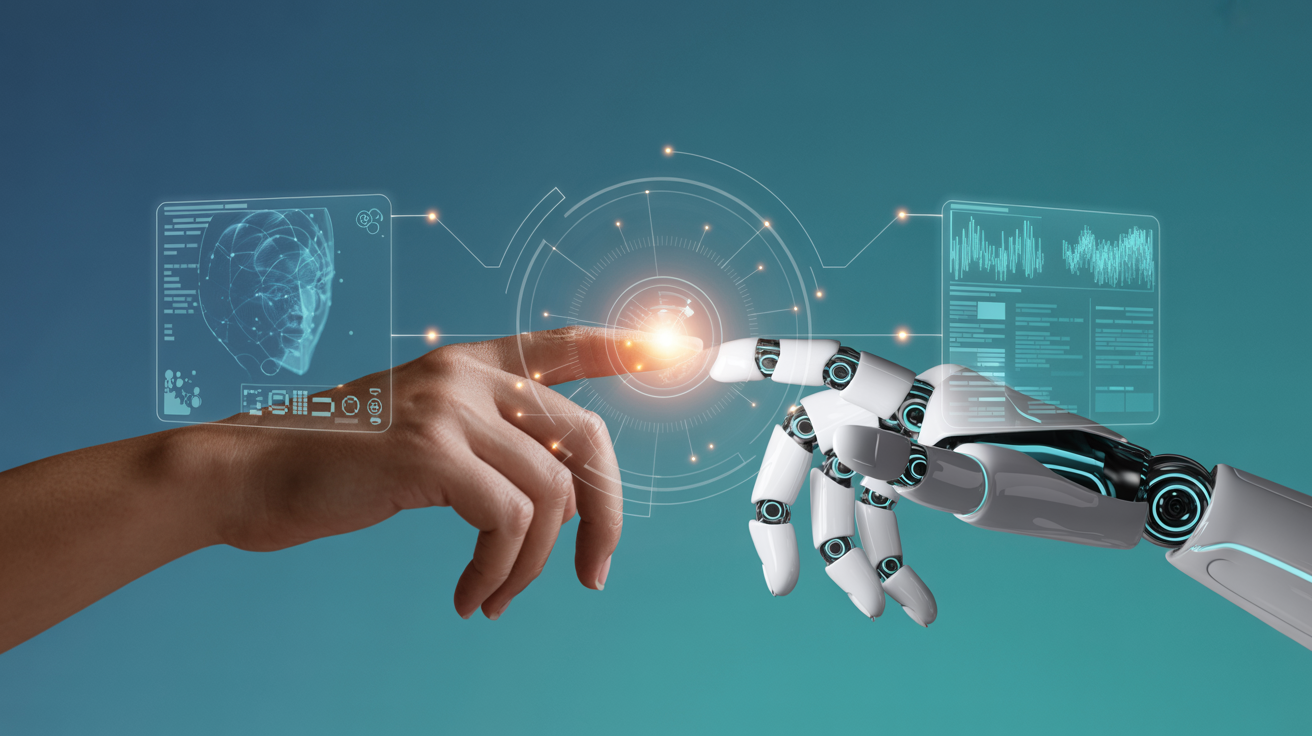
The most successful organizations combine the speed and power of automated analytics with the creativity and judgment of human teams. By working together, humans and machines can achieve more than either could alone.
Key Points/Ideas
- The future of work is about collaboration between humans and machines, not competition.
- Automated analytics platforms process data and spot patterns, while humans provide creativity, empathy, and judgment.
- Clear roles, collaboration, training, and ethical oversight are essential for effective human + machine teams.
- Industries like retail, healthcare, manufacturing, and finance are already seeing the benefits of this approach.
Summary
This blog explores how organizations can build teams that blend the strengths of analytical automation with human creativity and judgment. It explains why this collaboration is essential, offers best practices for making it work, and highlights industries already leading the way. The post emphasizes that the future belongs to teams that see technology as a partner, not a replacement.
Building Teams That Combine Analytical Automation with Human Creativity
As data and analytics platforms become more powerful, the question for modern organizations is no longer whether to use automation, but how to combine it with the unique strengths of human talent. The future of work isn’t about humans versus machines—it’s about humans and machines working together, each amplifying the other’s abilities.
Why Human + Machine Teams Matter
Automated analytics platforms excel at processing vast amounts of data, spotting patterns, and generating insights at speeds no human could match. But they lack the intuition, empathy, and creative spark that people bring to the table. The most successful organizations are those that blend these strengths, creating teams where technology handles the heavy lifting of data analysis, while humans focus on asking the right questions, interpreting results, and imagining new possibilities.
How Human and Machine Collaboration Works in Practice
Consider a marketing team using an advanced analytics platform. The software can quickly analyze customer data, segment audiences, and predict which products are likely to sell. But it’s the human marketers who craft compelling campaigns, understand cultural nuances, and build emotional connections with customers. The platform provides the “what” and “when,” while people provide the “why” and “how.”
In healthcare, AI-powered tools can scan thousands of medical images to flag potential issues, but it’s the doctors who make the final diagnosis, considering patient history and ethical implications. In finance, algorithms can detect suspicious transactions, but human analysts investigate and make judgment calls about fraud.
Best Practices for Building Human + Machine Teams
- Define Clear Roles: Clarify what tasks are best handled by automation (e.g., data crunching, pattern recognition) and where human expertise is essential (e.g., strategy, creativity, ethical decisions).
- Foster Collaboration: Encourage regular communication between technical and non-technical team members. Cross-functional teams spark new ideas and ensure insights are actionable.
- Invest in Training: Equip employees with data literacy and digital skills so they can confidently interpret and act on automated insights.
- Promote a Growth Mindset: Embrace experimentation and learning from both successes and failures. Encourage teams to see technology as a partner, not a threat.
- Prioritize Ethics and Transparency: Ensure that automated decisions are explainable and that humans remain accountable for outcomes.
Industries Leading the Way
- Retail: Combining AI-driven recommendations with human-curated experiences for personalized shopping.
- Healthcare: Merging machine learning diagnostics with compassionate patient care.
- Manufacturing: Using predictive maintenance algorithms alongside skilled engineers to optimize production.
- Financial Services: Blending automated risk analysis with human judgment for smarter investments.
The Human + Machine Advantage
When organizations get this balance right, they unlock new levels of efficiency, innovation, and customer satisfaction. Machines handle the repetitive and complex, freeing people to focus on what they do best: thinking creatively, building relationships, and driving change.